Posts

Parotid and Facelift: Understanding the Connection for a More Youthful Appearance

Image
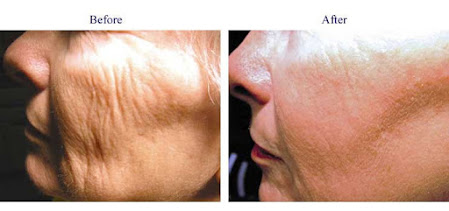
In the quest for a more youthful appearance, many individuals explore cosmetic procedures that can address the effects of aging. Two popular options are the parotid and facelift surgeries. These procedures, though distinct, are often sought together for comprehensive rejuvenation. In this article, we will delve into the world of parotid and facelift surgeries, understanding their significance, procedures, benefits, and potential risks. 1. Understanding the Parotid Glands The parotid glands, located on either side of the face, are the largest of the salivary glands. These structures play a crucial role in producing saliva, aiding in the digestion process. Beyond their functional role, the parotid glands can also impact one's appearance, especially as they age. Enlarged or sagging parotid glands can lead to a "jowl" effect, contributing to an aged and tired appearance. 2. The Facelift: An Overview The facelift, also known as a rhytidectomy, is a cosmetic surgical procedure...

Unveiling Mucoepidermoid Tumors: Symptoms, Diagnosis, Treatment

Image
Mucoepidermoid tumors are a type of salivary gland tumor that can pose unique challenges to affected individuals. These tumors have varying characteristics and potential for malignancy, necessitating a comprehensive understanding of their symptoms, diagnosis, and treatment options. In this blog post, we will delve into the world of mucoepidermoid tumors, shedding light on their nature, diagnostic methods, and available treatments. By gaining knowledge about this condition, individuals can empower themselves to navigate their healthcare journey more effectively. 1. What are Mucoepidermoid Tumors? Mucoepidermoid tumors are a diverse group of tumors that arise in various salivary gland locations, including the parotid gland, submandibular gland, and minor salivary glands. These tumors are characterized by a mixture of different cell types, including mucous-secreting cells, epidermoid cells, and intermediate cells. They can range from low-grade (benign) to intermediate-grade or high-gra...

Unraveling the Mysteries of Pleomorphic Adenoma

Image
Pleomorphic adenoma is the most common type of benign salivary gland tumor , yet its intricacies and impact on individuals can be significant. In this blog post, we will delve into the world of pleomorphic adenoma, exploring its characteristics, symptoms, diagnostic methods, and treatment options. By gaining a comprehensive understanding of this condition, we can empower individuals affected by pleomorphic adenoma to make informed decisions about their health. What is Pleomorphic Adenoma? Pleomorphic adenoma is a non-cancerous tumor that commonly develops in the salivary glands, particularly the parotid gland. It is characterized by a mixed cell composition, consisting of both epithelial and mesenchymal cells. While generally benign, pleomorphic adenoma can grow and cause discomfort, impacting the affected individual's quality of life. Symptoms and Presentation: The signs and symptoms of pleomorphic adenoma can vary depending on the location and size of the tumor. Common indication...

Navigating the Challenges of a Cut Facial Nerve

Image
The facial nerve plays a crucial role in our ability to express emotions, speak, and carry out daily activities. However, a cut facial nerve can have a profound impact, leading to facial paralysis and a range of physical and emotional challenges. In this blog post, we will explore the causes, symptoms, and treatment options for a cut facial nerve, as well as provide insights on how to cope with facial paralysis and regain quality of life. 1. Understanding the Facial Nerve: The facial nerve, also known as cranial nerve VII, controls the muscles of facial expression. It transmits signals from the brain to the muscles, enabling various facial movements and expressions. A cut facial nerve can occur due to trauma, surgery, or other medical conditions, disrupting this essential communication pathway and resulting in facial paralysis. 2. Symptoms of Facial Paralysis: Facial paralysis caused by a cut facial nerve can manifest in various ways. Common symptoms include the inability to move ...

Why Parotid Tumor Surgery Is Crucial To Get Done

Image
After knowing about the early signs and symptoms and making final decision for parotid tumor surgery , the most crucial thing is to know about the type of parotid tumors – divided into two types – the benign or non-cancerous and another one is malignant. The benign and malignant tumors occur in different types. The most common tumor is the benign mixed tumor or pleomorphic adenoma. Mixed tumors have well-defined edges and don’t have significant portions invading normal tissues like cancers. The main issue with the tumors that you need to know about before parotid tumor surgery, is that they will continue to grow making it more and more difficult like cancers. Another issue with the tumors is that they will continue to grow making it more and more difficult to remove through parotid tumor surgery or through other methods. They can turn into a malignant tumor. The next most common benign tumor is the Warthin’s tumor or Papillary Cystadenoma Lumphomatosum. Parotid tumor surgery or surgica...

Parotidectomy and Facelift – Get the Right Treatment Options from Top Surgeons

Image
Before you consult with an experienced doctor or surgeon or parotidectomy and facelift , you should know about the parotid tumors that are benign or non-cancerous (85% of the time) and in some cases malignant. The benign and malignant tumors occur in different types and the most common is the benign mixed tumor or pleomorphic adenoma. Mixed tumors have well-defined edges and don’t have significant portions invading normal tissue like cancers. The main problem is continuing growth – making it difficult to remove. They can also turn into malignant tumors, if not diagnosed in early stage and left without any treatment. Malignant parotid tumors can be low grade or weaker type of cancer with higher cure rates. Mucoepidermoid tumor is the most common type of malignant tumor that is much more dangerous and like most aggressive parotid malignancies – treated with aggressive surgical excision. Neck dissection and post-operative radiation therapy are done – mainly for parotidectomy and facelift....

Parotidectomy and Its Symptoms – Essential to Know About Before Treatment

Image
Being neoplasm or abnormal growths of the parotid gland, parotid tumors occur in the parotid gland that is one of several salivary glands and is the largest – located in front of the ear and goes to approximately the angle of the law. Not to mention the parotid gland – formed a little too early during the development of the embryo and occurring at the same time as lymph nodes and nerves. The gland in a developed man or woman is mixed with facial nerve – the main nerve that moves the face and lymph nodes that are the gland – clean away infection and some tumors that are found throughout the body.  It is the part of parotidectomy and the most common symptoms of both malignant and benign parotid tumors are a mass in the back part of the cheek in front of the ear. These are discovered by the patient or by doctor. Patients also get other symptoms in Parotidectomy that are most common in malignant tumors and seldom occur in benign tumors. Some other common symptoms include pain, facial ...