Posts

Showing posts with the label mucoepidermoid tumor

Understanding Parotid Tumor Surgery: What You Need to Know

Image
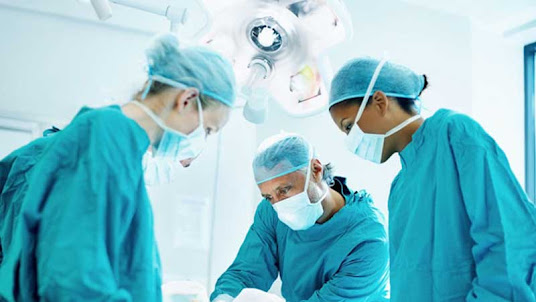
A parotid tumor is a growth that forms in the parotid glands, the largest of the salivary glands located near the ears. These tumors are typically benign, but some can be malignant. The primary treatment for a parotid tumor surgery , which is performed to remove the tumor and, in some cases, part of the affected gland. The surgery, known as a parotidectomy, involves removing the tumor along with surrounding tissue, which may include part of the parotid gland. The procedure is typically performed under general anesthesia, and the incision is made near the ear or along the natural lines of the skin to minimize scarring. The goal is to remove the tumor while preserving the facial nerve, which runs through the parotid gland and controls facial movements. In cases of benign tumors, the surgery generally results in a positive outcome with minimal complications. However, if the tumor is malignant, additional treatments like radiation or chemotherapy may be required post-surgery. Recovery time...

Parotid Surgery and Facelift: What You Need to Know

Image
When considering facial rejuvenation, many patients seek a combination of aesthetic procedures to restore youthfulness and improve facial contours. One such combination involves parotid and facelift . While these procedures may seem distinct, they often go hand-in-hand, especially for individuals experiencing aging-related changes in the lower face or neck. Parotid Surgery involves the parotid glands, which are the largest salivary glands located near the ears. Surgery on the parotid gland is typically necessary for benign tumors, cysts, or other medical concerns like inflammation or infections. While this surgery is primarily medical, it may result in cosmetic changes. For example, removing a benign tumor or correcting asymmetry can improve facial symmetry and balance, which enhances overall facial aesthetics. On the other hand, a facelift (rhytidectomy) focuses on tightening and lifting the skin, muscles, and tissues of the face and neck to address sagging skin and wrinkles. A faceli...

Understanding Mucoepidermoid Tumors: An Overview

Image
Mucoepidermoid tumor (MECs) are a type of malignant neoplasm primarily found in the salivary glands, though they can also occur in other areas such as the lungs and skin. These tumors are characterized by a mixture of mucous-secreting cells and epidermoid (squamous) cells, leading to their unique name. They are the most common type of salivary gland tumor and can vary significantly in their behavior and prognosis, depending on their grade. MECs are typically classified into three grades: low, intermediate, and high. Low-grade tumors often grow slowly and have a better prognosis, while high-grade tumors tend to be more aggressive and can metastasize to other parts of the body. Symptoms may include swelling in the affected area, pain, or changes in the function of the nearby glands. Diagnosis usually involves imaging studies such as CT or MRI scans, followed by a biopsy to determine the tumor’s cellular composition. Treatment typically consists of surgical removal of the tumor, and in so...

Understanding Mucoepidermoid Tumors

Image
Mucoepidermoid tumors are the most common type of malignancy affecting the salivary glands, although they can also develop in other parts of the body like the lungs or sinuses. These tumors are made up of a mix of mucus-secreting and epidermoid (squamous) cells. They vary in their degree of aggressiveness, ranging from low-grade (less aggressive) to high-grade (more aggressive) tumors. The majority of mucoepidermoid tumors occur in the parotid glands, though they can also affect the minor salivary glands found in the mouth and throat. Symptoms of mucoepidermoid tumors can include a painless mass or swelling near the affected gland, difficulty swallowing, facial pain or numbness, and in more advanced cases, facial nerve dysfunction. As these tumors grow, they can invade nearby structures, making early detection critical for better outcomes. Diagnosis typically involves imaging studies like CT or MRI scans and a biopsy to determine the tumor's nature and grade. Surgery is the primar...

Understanding Parotidectomy and Facelift Surgery: What You Need To Know

Image
Parotidectomy and facelift surgery are distinct procedures often associated with different medical needs and aesthetic goals, but both can significantly impact a patient’s quality of life. Parotidectomy is a surgical procedure primarily aimed at removing all or part of the parotid gland, one of the major salivary glands located near the jaw and in front of the ears. This operation is often performed to address issues such as tumors, chronic infections, or significant gland enlargement. The procedure may vary in complexity depending on whether the entire gland or just a portion needs to be removed. Recovery time can vary, but patients typically experience swelling and discomfort that subsides over a few weeks. Post-operative care is crucial to manage symptoms and ensure proper healing. On the other hand, a facelift, or rhytidectomy, is a cosmetic surgery designed to improve visible signs of aging in the face and neck. This procedure involves tightening the skin and underlying tissues t...

How to Identify Mucoepidermoid Tumor?

Image
Mucoepidermoid tumors are relatively rare but potentially serious neoplasms that can develop in various glands throughout the body. While they most commonly arise in the salivary glands, they can also occur in other locations such as the lungs, thyroid, and skin. Early detection and treatment are crucial for managing these tumors effectively. Here, we discuss the key signs and symptoms to help identify mucoepidermoid tumor promptly. Symptoms of Mucoepidermoid Tumor The most noticeable sign of a mucoepidermoid tumor is often a painless lump or swelling in the affected area, such as the jaw, neck, or under the tongue. Tumors located in the throat or salivary glands can cause difficulty swallowing or speaking, as they may obstruct the passage of food or affect vocal cord function. In some cases, tumors near the facial nerve can lead to facial weakness or paralysis on one side of the face. While mucoepidermoid tumors are typically painless, they can cause discomfort if they grow...

Symptoms of Mucoepidermoid Tumor and Treatment

Image
Mucoepidermoid tumors (MET) are relatively rare tumors that can occur in various parts of the body, most commonly in the salivary glands. These tumors are typically slow-growing and may not cause symptoms in their early stages. However, as they grow larger, they can cause a variety of symptoms depending on their location and size. Mucoepidermoid tumors (METs) are relatively rare, slow-growing tumors that can develop in various glands throughout the body, but most commonly occur in the salivary glands. These tumors are typically benign, meaning they are non-cancerous, but in some cases, they can be malignant, posing a more serious health threat. You should know about the symptoms of mucoepidermoid tumors and the treatment procedures available are crucial for early detection and effective management of these tumors. Some common symptoms of mucoepidermoid tumors include: Different symptoms clear the doubts of surgeons to diagnose the problem and recommend the treatment. ·  ...

Parotidectomy and Facelift – Get the Right Treatment Options from Top Surgeons

Image
Before you consult with an experienced doctor or surgeon or parotidectomy and facelift , you should know about the parotid tumors that are benign or non-cancerous (85% of the time) and in some cases malignant. The benign and malignant tumors occur in different types and the most common is the benign mixed tumor or pleomorphic adenoma. Mixed tumors have well-defined edges and don’t have significant portions invading normal tissue like cancers. The main problem is continuing growth – making it difficult to remove. They can also turn into malignant tumors, if not diagnosed in early stage and left without any treatment. Malignant parotid tumors can be low grade or weaker type of cancer with higher cure rates. Mucoepidermoid tumor is the most common type of malignant tumor that is much more dangerous and like most aggressive parotid malignancies – treated with aggressive surgical excision. Neck dissection and post-operative radiation therapy are done – mainly for parotidectomy and facelift....

All Information about Pleomorphic Adenoma and Mucoepidermoid

Image
➢ The most frequent salivary gland tumour, pleomorphic adenoma, is also referred to as a benign mixed tumour due to its dual origin from myoepithelial and epithelial components. It makes up to two-thirds of all salivary gland tumours, making it the most prevalent of all. The pathogenesis and presentation of plemorphic adenoma are described in this exercise, which also emphasises the care of the condition by an interprofessional team. ➢ On palpation, the swelling was warm, non-tender, and had a firm consistency. Both the upper skin and the underlying structures were attached to it. Examined facial and ocular movements were normal. An intraoral clinical examination revealed nothing unusual. Consideration was given to a preliminary diagnosis of benign tumour of the left parotid gland.  ➢ The most likely differential diagnoses included pleomorphic adenoma, Warthin's tumour, and neuroma of the facial nerve (nerve sheath tumour). Warthin's tumour typically affects elderly men w...

What Is Salivary Gland Tumor and Parotid Cancer

Image
 ★ Tumors of the salivary glands tumor are abnormal cells that develop in the glands themselves or in the ducts that carry the glands' drainage fluid. Tumors of the salivary glands may be cancerous or benign (malignant). Although benign tumours of the salivary glands represent the majority, some are malignant. Additionally, if untreated, benign tumours have the potential to develop into malignant ones over time. ★ Malignant tumours of the salivary glands are quite uncommon, accounting for only 6% of head and neck cancers. A benign, slow-growing tumour in the parotid gland makes up the majority of salivary gland tumours (around 80% of all salivary gland tumours). Small tumours of the salivary glands are uncommon. ★ a typically painless, hard salivary gland swelling (in front of the ears, under the chin, or on the floor of the mouth). Depending on the underlying reason, swelling might develop at different rates. Rapid swelling is more likely to be a sign of an infection or a m...

What Are The Symptoms Of Salivary Gland Tumor?

Image
Sometime, some medical complexities become bigger and you know about them when they have crossed the normal life. Salivary gland tumor is one of them and you may feel the symptoms like: • A lump on the face, neck or mouth that is usually painless • Numbness in the face • Inability to move some facial muscles, especially if the muscle on 1 side of the face stops moving • Affected area slowly expands • Pain or swelling in the face, chin, jawbone area or neck. Salivary gland tumor increases slowly and it may feel like a lump or swelling in your mouth, cheek, jaw or neck. Pain in your mouth, cheek, jaw, ear or neck that doesn’t go away is common sign of this tumor. There are also some other signs as you may also notice a difference between the size and/or shape of the left and right sides of your face or neck. Not to mention the possibility of numbness in part of your face can be another sign of salivary gland tumor. In case of such symptoms, you need to consult with experienced...

What Happens When One Cuts Facial Nerve

Image
Facial nerve damage may result in facial muscle twitching, weakness or paralysis. The signs and the symptoms of facial nerve damage may include watering of the eye on the affected side, inability to close the eye completely on the affected side, leading to dryness and different others. There are different basic approaches of facial nerve repair like direct nerve repair, cable nerve grafting, or nerve substitution. Direct nerve repair is the preferred option whenever possible and performed by removing the diseased or affected portion of the nerve. Later, the reconnecting process of the two nerve ends is done. For the successful procedure to cut facial nerve , the most crucial thing is to search for the top clinic or a hospital, where world-class facilities are provided. You will find a number of top clinics or hospitals that are offering you such precise solutions. Go online and you will find a number of top names in this domain providing you with world-class solutions. Alpha Surgical G...

What Is Facial Reanimation?

Image
For many persons with parotid gland tumours, surgery by a head and neck surgeon is the most effective treatment. This technique is known as a parotidectomy. Parotidectomy and Facelift are connected with each other. Theparotid gland has two lobes: the superficial lobe and the deep lobe. A superficial parotidectomy occurs when a tumour in the superficial lobe is removed. A total parotidectomy is a procedure that removes a tumour from both the deep and superficial lobes of the parotid gland. Due to the close proximity of the facial nerve, treating parotid gland tumours needs extraordinary precision on the part of the surgical team. The facial nerve controls their capacity to close their eyes, lift their brows, and smile. It's crucial to maintain the facial nerve intact when removing a parotid gland tumour. The facial nerve is routinely found and protected during a parotidectomy. The tumour, or the surgical therapy required to remove it, could, however, injure the nerve. The loss of f...

Symptoms and Treatment of Facial Nerve Cancer

Image
The facial nerve regulates facial muscle function. Each person has two facial nerves, one on each side. From the brain to the muscles, the facial nerve travels a lengthy and complicated path. The facial nerve may be affected by malignancies in some cases. Facial Nerve Cancer can be caused by tumors that grow from the nerve itself or tumors that are pushing or invading the nerve from surrounding places. Facial weakness or paralysis may occur in both cases. Tumours that develop from the facial nerve directly are uncommon.  There are a variety of cancers that can originate near the facial nerve and eventually affect it. The nerve can be affected by both benign and malignant tumors. Skin malignancies, parotid gland tumors, and skull tumours are just a few instances. Tumour treatment is determined by the type of tumour, whether it is cancerous or benign, its size, location, other affected areas, and the patient's overall health. Surgery, stereotactic radiation, and observation may be p...

What Is A Parotidectomy Using A Facelift?

Image
A parotidectomy is a technique that surgeons used to remove the parotid gland tumour with minimal scarring. Because of the apparent analysis procedure, the patient's experience following surgery could alter. The parotidectomy and facelift are interrelated. Even during the process, a surgeon will perform a facelift from the ear to the neck to remove the tumor. Once the tumor is removed, your face will be reconstructed to ensure your ease. Many people may be wondering what the criteria are for undergoing this type of surgery. And, can everyone take the help of the surgery to remove the tumour? To eradicate the facial tumour from which an individual is suffering, your physician will decide whether a tumour can be removed with the help of surgery or not. Because if an individual has a Low grade of tumour, then it can be successfully removed with parotidectomy and facelift without any need for additional therapy. Otherwise it will not. For undergoing a parotidectomy and facelift, the t...

Rising Problem of Parotid Tumor

Image
The parotid tumor can be benign or malignant, and malignant tumors can be referred to as primary or metastatic. Many histological kinds of parotid tumors are conceivable due to the organ's epithelial and non-epithelial histology, but some are uncommon. Parotid tumors are characterized by a wide range of histological appearances and biological activity. The differentiation between tumor kinds can be challenging, especially when using material from fine-needle aspiration (FNA). Salivary gland cancers are intriguing for several additional reasons. There is generally little discomfort associated with parotid tumors, which produce swelling in the cheek or jaw. Others include numbness, scorching or prickling sensations in the face, or a lack of facial mobility. A young kid may be distressed by the stigma of a visible facial scar following parotid surgery. The surgical method of parotidectomyand facelift incision is discussed further to understand them. In a modified facelift incision, th...

Parotidectomy Aid for Parotid Tumor

Image
The form of benign parotid tumor , which grows slowly, is the most prevalent type of salivary gland tumor. But some of these tumors can be malignant as well (malignant). Pleomorphic adenoma is the most frequent benign tumor, whereas mucoepidermoid cancer is the most common malignant tumor. Based on their activity, parotid gland tumors can be divided into benign and malignant groups. Unharmful tumors are usually non-aggressive cell growths that are caused by several abnormal intracellular processes. Their growth is sluggish and painful, and they don't penetrate or destroy surrounding tissues. Because of their space-occupying effects, benign parotid tumors can compress adjacent tissues and induce the malfunction of surrounding structures. Older males are more likely to develop squamous cell carcinoma than younger ones. Radiation therapy for other malignancies in the region can cause it to develop. This form of cancer tends to have a worse prognosis than other types of cancer. Despite...

Basic Facts And Figures about the Parotidectomy

Image
In Parotidectomy medical procedure, there are a few strategies to keep away from facial nerve injury, and the careful medical procedure is the above all else method. Especially in the scarred worked organ, the nerve screen is the vital angle for perceiving the nerve. A quick nerve join is done on account of salivary disease and if the nerve is taken out.  In other cases, surgeries are done for the salivary glands and nerves in face of the adults in the form of thyroid glands and bronchi. Facts about the Parotidectomy This medical procedure for Parotidectomy and facelift is loaded up with conceivably enormous difficulties and issues. The most fundamental issue of this medical procedure is facial nerve shortcoming. The medical procedure on the organ could meddle with the facial nerve's capacity, which innervates with the facial nerves and goes through parotid organs.  If the tumor became benign, then the doctor will plan to preserve the nerve thanks to the stretching of the ner...

Treatment for Facial Nerve Cancer and Parotid Surgery by Alpha Surgical Group

Image
Whether you are looking for the right surgical procedure and solutions, you will have some better options to fulfill your requirement by going online and get the right solutions in real time manner. From a selected clinic, you will get the right solutions for Parotidectomy and facelift , parotid tumor surgery, facial nerve cancer, parotid surgery, treatment for parotid tumor and salivary gland. Alpha Surgical Group, for instance, is a group managed by the board-Certified physicians and surgeons, who provide you with some of the nation’s finest care in plastic and reconstructive surgery and otolaryngology. Their patient-focused approach seeks to endow each individual with the utmost care in compassion and skill. The professional and experienced surgeons in their practice work very closely with one another – merging state-of-the-art training in a variety of sub-specialities to address all facets of a case. Professional surgeons and physicians understand the important relationship between...

Parotid Tumor Surgery – Essential to Remove the Gland and Tumor

Image
Parotid tumor often causes swelling in the face or jaw. However, it isn’t painful; while there are also different other symptoms that include numbness, burning or pricking sensations in the face or a loss of facial movement. In case, you feel uncomfortable or any of the aforementioned symptoms, you need to consult with doctors and look for parotid tumor surgery . Surgery is also required as most salivary tumors are non-cancerous and small blockages may pass without treatment. Know About the Symptoms and Follow Diagnosis Process before Parotid Tumor Surgery There are different sings of tumor that include (not sure in all cases), a lump in the area of the ear, cheek, jaw, lip or inside the mouth. Fluid draining from the ear, trouble swallowing or opening the mouth widely, numbness or weakness in the face, pain in the face that doesn’t go away, etc are some of the common symptoms that may require treatment. According to doctors, there are different salivary glands in the lips, cheek, mout...