Posts

The Signs and Symptoms of Facial Nerve Tumor

Image
Facial nerve tumors, though rare, can have significant implications on facial function and overall well-being. Understanding the signs and symptoms is crucial for early detection and effective management. The experienced surgeons guides you to identify the facial nerve tumor by paying attention to a few changes. Here are a few signs and symptoms of facial nerve tumor . Facial Weakness One of the hallmark signs of a facial nerve tumor is unilateral facial weakness. This weakness may manifest as difficulty in closing one eye, drooping of the mouth or eyelid, or asymmetry in facial expressions. Gradual onset of weakness is common, often progressing over weeks to months. Facial Twitching or Spasms Uncontrolled twitching or spasms, known as facial myokymia, can occur in individuals with facial nerve tumors. These involuntary movements typically affect one side of the face and may worsen with stress or fatigue. Loss of Taste The facial nerve plays a crucial role in conveying tas...


Why Cut Facial Nerve Procedure Is Done by Surgeons

Image
The facial nerve or cranial nerve VII is the most vital nerve to control the facial expressions. It plays a crucial role in transmitting taste sensations from the anterior two-thirds of the tongue. You will notive varied change like facial paralysis, tumor, and other issues that may cause cut facial nerve . One such is facial paralysis treatment. Facial nerve surgery, such as facial nerve decompression or neurectomy, might be necessary to alleviate symptoms of facial paralysis. Conditions like Bell's palsy or facial nerve trauma can lead to debilitating facial weakness or paralysis, impacting a person's quality of life. By cut facial nerve – mainly the affected nerve, surgeons can sometimes alleviate pressure or remove damaged portions, allowing for improved function and possibly even facial movement restoration. Cut Facial Nerves for Tumor Management In cases where benign or malignant tumors affect the facial nerve, surgical intervention may involve cutting a portion of...

Symptoms of Mucoepidermoid Tumor and Treatment

Image
Mucoepidermoid tumors (MET) are relatively rare tumors that can occur in various parts of the body, most commonly in the salivary glands. These tumors are typically slow-growing and may not cause symptoms in their early stages. However, as they grow larger, they can cause a variety of symptoms depending on their location and size. Mucoepidermoid tumors (METs) are relatively rare, slow-growing tumors that can develop in various glands throughout the body, but most commonly occur in the salivary glands. These tumors are typically benign, meaning they are non-cancerous, but in some cases, they can be malignant, posing a more serious health threat. You should know about the symptoms of mucoepidermoid tumors and the treatment procedures available are crucial for early detection and effective management of these tumors. Some common symptoms of mucoepidermoid tumors include: Different symptoms clear the doubts of surgeons to diagnose the problem and recommend the treatment. ·  ...

What Is Cut Facial Nerve and Who Needs It?

Image
The facial nerve, also known as cranial nerve VII, is a vital component of the human nervous system responsible for controlling the muscles of facial expression. However, in certain medical scenarios, Cut Facial Nerve becomes necessary. This procedure, though delicate, can be life-changing for individuals with specific medical conditions. One primary reason for cutting the facial nerve is to alleviate the symptoms of severe facial pain disorders like trigeminal neuralgia. Intense Stabbing Pain in the Face This condition causes intense, stabbing pain in the face, often triggered by simple actions such as speaking or chewing. When medications fail to provide relief, Cut Facial Nerve can offer significant pain reduction, although it comes with the side effect of facial numbness. Facial Paralysis due to Trauma or Bell’s Palsy Another instance where cutting the facial nerve may be considered is in cases of facial paralysis, typically due to trauma or conditions like Bell's pals...

How to Diagnose the Mucoepidermoid Tumor and Early Treatment

Image
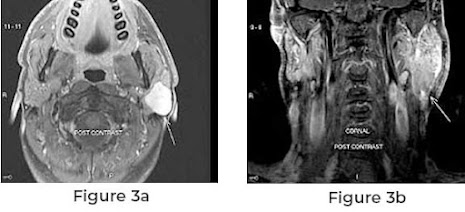
  Mucoepidermoid tumors (METs) are rare but potentially serious growths that can occur in various parts of the body, most commonly in the salivary glands. Early diagnosis and treatment are crucial for better outcomes. A comprehensive medical history and thorough physical examination are essential initial steps in diagnosing METs. Symptoms such as a lump or swelling in the affected area, pain, difficulty swallowing, or changes in voice may prompt further investigation. Imaging techniques like ultrasound, CT scans, or MRI scans can provide detailed images of the affected area, helping to visualize the tumor's size, location, and extent of spread. A biopsy involves removing a small sample of tissue from the suspected tumor for examination under a microscope. This definitive diagnostic test confirms the presence of Mucoepidermoid tumor cells. Know About the Treatment Procedure Surgery is the primary treatment for Mucoepidermoid tumors. The goal is to remove the tumor completel...

Parotidectomy and Facelift Procedure to Remove Tumors or Diseases Tissues

Image
  Parotidectomy, a surgical procedure to remove tumors or diseased tissue from the parotid gland, and facelift, a cosmetic surgery to rejuvenate the face, might seem like unlikely companions. However, there are situations where these two procedures can be performed together, offering patients a comprehensive solution for both medical and aesthetic concerns. ·          Parotidectomy is typically recommended for conditions like tumors, infections, or chronic inflammation affecting the parotid gland, which is located just in front of the ear. ·          The primary goal of parotidectomy is to address medical issues, the surgery can sometimes leave visible scars or alter facial contours, especially if a significant portion of the gland needs removal. ·          Facelift targets signs of aging such as sagging skin, wrinkles, and loss of facial volume. ·  ...

What Is Parotid Tumor Surgery and Who Need It Most

Image
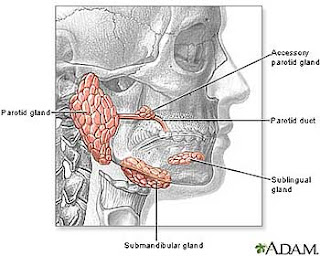
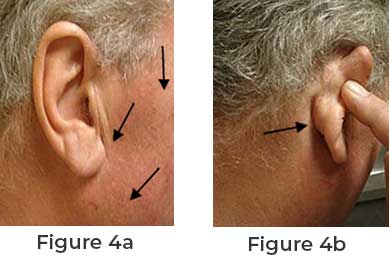
  Parotid tumor surgery, also known as parotidectomy, is a surgical procedure performed to remove tumors or growths located in the parotid gland. The parotid gland is the largest of the salivary glands and is located on either side of the face, just in front of the ears. Tumors in this gland can be benign (non-cancerous) or malignant (cancerous). There are several reasons why someone might need parotid tumor surgery. Diagnosis of a Parotid Tumor If a lump or growth is found in the parotid gland, further investigation, including imaging tests and biopsies, may be needed to determine whether the tumor is benign or malignant. Surgery may be recommended as part of the treatment plan.                 Know About the Symptoms Parotid tumors can cause symptoms such as pain, swelling, difficulty swallowing, or facial weakness. If these symptoms are present and are affecting the patient's quality of life, su...